
Windows are an essential component of every home. Aside from keeping your home comfortable, when properly installed, double or triple-glazing can reduce condensation issues and your overall energy bills.
Like every other part of a building, windows age and deteriorate. Physical damage and extreme weather can also affect their effectiveness and longevity.
However, glazed windows are rather expensive, with standard uPVC double-glazing units typically costing between £450 and £1,200. High-quality triple-glazed windows can even go upwards of £3,350.
In other words, replacing them at the first signs of wear and tear may certainly not be in your budget’s interest.
But is it possible to repair blown or misted windows? How to fix blown windows, and how can you spot them? When will you need new windows? Learn everything you need to know below.
What Is a Blown Window?
Double and triple-glazing works by trapping inert gases between two panes of glass separated by a spacer. Argon is commonly used for windows because of its density and superior insulating properties, increasing energy efficiency.
Krypton, which is much denser, is used for higher-quality constructions designed for thinner spaces. In some rare instances, manufacturers may also use Xenon.
The combination of the glass, gas, and sealant creates an airtight barrier, which helps regulate indoor temperatures.
Glazed windows keep warm air inside your home during winter, lowering energy consumption. At the same time, they prevent hot air from entering when the climate is humid, keeping indoors cool and comfortable.
A blown window means it can no longer keep heat in or cold air out as it should, usually due to failing sealants. There are several reasons why this could happen. Either way you’ll want a solution fast, because blown double glazing in Glasgow can be a nightmare for energy bills and comfort.
Can You Repair Blown Windows?
Repairing blown glazed windows is possible, but your double glazing units might not have blown, double glazing can fail in other ways. Where double glazing has blown, you may not even need to replace the entire unit, though, which is reassuring.
Technicians fix blown windows by removing the misted insulated glass unit (IGU) and leaving the frame in place. After removing the old pair of panes and inspecting for other damages, they’ll measure for a new IGU and reseal it into the frame.
This is a cost-effective alternative to restoring the insulation without investing in a costly full-frame replacement.
Some homeowners may rely on “defogging” methods to fix their double glazing. They do this by drilling holes in the glass to remove the trapped moisture inside the IGU.
Defogging and similar methods are not a permanent solution and only solve the symptom of the underlying issue. Air and moisture will continue to seep into the assembly, which means misting often returns.
What Happens If Your Windows Are Blown?
Did you know that space heating accounts for a whopping 60% of the total energy usage of a household in the UK?
That means how energy efficient your dwelling is can have a massive effect on your overall bills.
Windows account for roughly 15% to 30% for a building’s total heat loss. You want to ensure they work well in keeping freezing out and warm air indoors.
In fact, one of the first indirect signs of blown or failing glazing is a sudden hike in your energy consumption and bills.
On the other hand, a well-functioning double glazing can help you save £130 to £140 a year, according to the Energy Saving Trust.
How to Spot Blown Windows?
Failing insulation causes plenty of headaches for a homeowner. If you suspect you have a blown window, here are some signs to watch out for.
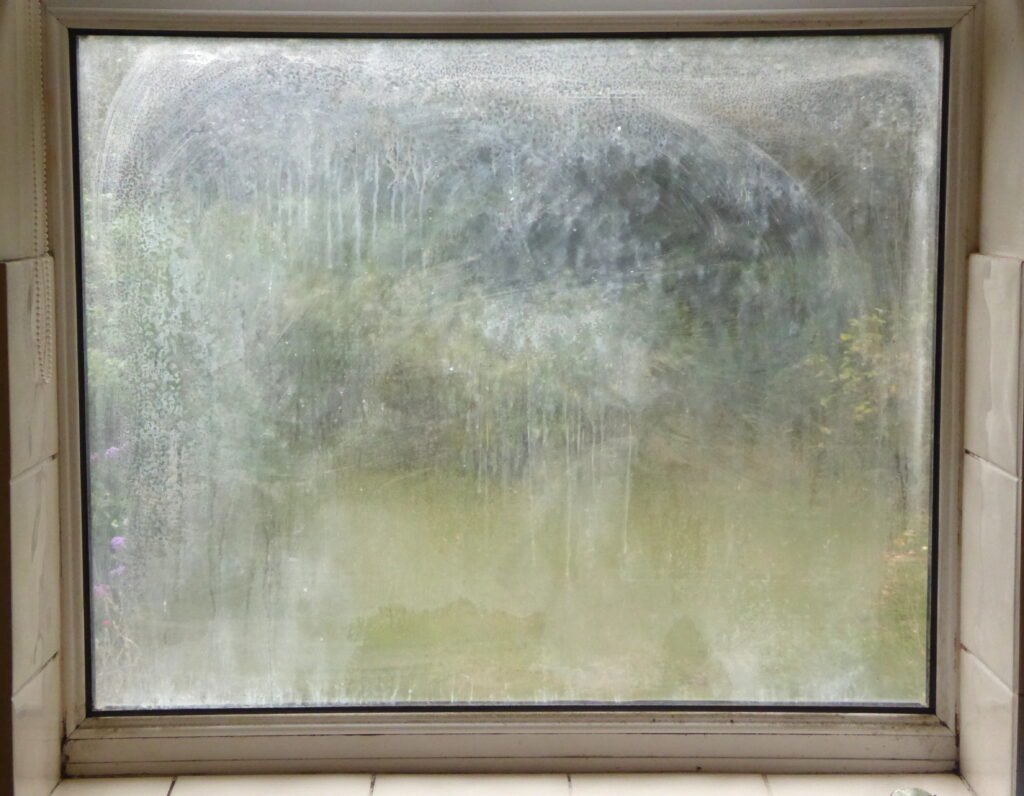
- Visible condensation: A blown insulated glass means moisture can invade the assembly. As such, one of the most obvious signs that a unit is blown is condensation or fogging between the glass panes.
- Cold spots: Because the window can no longer keep cold air out, failing windows usually result in cold spots in your home. These are specific areas indoors with noticeably lower temperatures than the rest of the house.
- Noise pollution: Glazed windows can dampen outdoor sounds by up to 35 decibels (dB) when working properly. An increase in noise pollution can indicate that one or more of your windows are blown or failing.
Another clear indication of a blown window is water pooling in the assembly’s spacer bar. Over time, this excess water leads to leakage.
What Causes Windows to Get Blown?
Double and triple-glazing are durable and can last for a long time. High-quality units can easily last anywhere from 20 to 35 years.
When properly installed and maintained, some windows can even extend for four decades before needing replacement.
Natural Wear and Tear
If you think your windows are blown, they may be nearing the end of their life span. Or at least their seals or gaskets are.
Glazing window seals are typically made of a flexible but durable material. EPDM rubber, silicone, and uPVC are among the most commonly used protective sealants for the frames and panes.
That said, they’re also exposed to frequent stress and the elements. With time, they can lose their flexibility, degrade, and become gradually ineffective.
In most cases, gaskets and seals will have to be replaced every 7 to 10 years. Or immediately, if you notice signs of moisture penetration and visible damage.
You want to inspect the sealants for signs of deterioration annually. Whilst less likely in aluminium windows due to their durability, natural wear and tear can still be a cause of blown double glazing.
Poor Installation
If your windows started exhibiting signs of failure earlier than anticipated, it’s highly likely caused by poor or faulty installation.
A properly fitted window shouldn’t have gaps, either between the frame and sill or between the frame and the wall. The mechanical parts should operate smoothly, and the seal should be tight.
This is why choosing a reliable glazier company is so important.
Physical Damage and Maintenance Issues
Besides improper fitting, accidental damage can just as easily result in blown glazed windows. Powerful impacts can compromise the seal or break the panes, allowing the insulating gas to escape.
Neglect and a lack of maintenance routine can also lead to premature window failure. Using strong chemicals while cleaning can quickly erode the seal as well.
Excess Moisture
Humidity and excess moisture can just as easily damage a glazed window, causing it to get blown. These can come from both indoors and outdoors.
Simple everyday activities like cooking, washing dishes, taking long showers, and drying clothes can all contribute extra moisture to nearby windows. Poor ventilation can make the issue worse by trapping condensation indoors.
Windows that are constantly damp are more vulnerable to water damage, compromising their insulation capabilities.
Leaks from outside can cause similar problems. That’s why a proper drainage system is essential to prolonging a window’s life.
Abrupt Temperature Changes
Windows are constantly buffeted by heat and rain. Abrupt temperature fluctuations cause the assembly to contract and expand, contributing to seal deterioration.
If you live in an area where sudden climate changes are common, you may want to inspect for signs of wear and tear more often.
Cost of Fixing Blown Windows in the UK
The cost of repairing blown windows can vary depending on several factors. The exact price you pay is influenced by:
- Style and size of your window
- Severity of damage
- Specific type of glazing
- Where you live
- Accessibility of the assembly
Depending on the extent of the damage, you may have to pay extra for additional materials and labour. For instance, if some minor repairs and replacements are needed, this can add to the overall bill.
For a standard glass pane replacement, the size and style of the window are typically the main drivers for cost.
A small blown unit will cost you somewhere between £100 and £200, while standard-sized panes can go up to £325.
Large blown windows are proportionally more expensive, with a repair price tag that reaches up to £850.
Should You Hire a Professional?
While it’s technically possible to fix a blown window by yourself, experts generally don’t recommend it.
Hiring a professional is safer and less time-consuming and our double glazing team can repair a blown window in no time at all, and for much less than you’d think.
The process requires previous knowledge and specialised equipment to ensure the work is carried out safely and correctly. Attempting to DIY increases the risk of causing more damage and more costly repairs.
An experienced technician can repair one blown double-glazing pane within a few hours. And a reliable glazier company will usually offer guarantees as additional protection for the customer.
Bottom Line
A blown window can usually be fixed by replacing the damaged insulated glass. But this may not always work, especially when the damage is too severe or the unit is too old.
In these instances, a full window replacement may be necessary.
MLR Maintenance is a trusted provider of glazing services in the UK. If you think you’re ready to repair or replace your blown windows, feel free to contact us for a quote.