
Windows are not only for keeping your home comfortable and warm. They’re also crucial in ensuring your household consumes energy efficiently, reducing heat loss, minimising draughts, and lowering heating bills.
If you’re conscious about the environment, energy-efficient double-glazed windows and doors can significantly decrease your carbon footprint.
This is why a failing seal can be particularly problematic. Windows rely on the seal to keep moisture out, prevent the insulating gases from escaping, and maintain optimal thermal performance.
A broken seal can spell disaster, not only to your home’s comfort, but also to your energy bills.
In this guide, we’ll discuss the common causes of damage in seals, what signs to watch out for, and how to reseal double-glazed windows.
What Causes a Double Pane Window Seal to Fail?
Double-glazed windows in Glasgow consist of two panes of glass separated by a spacer bar. The space between the panes is filled with a dense insulating gas, typically argon or krypton, to help with heat transfer.
An airtight seal is applied around the edges of the glass to secure the gas and prevent moisture from entering.
Hermetic window seals are designed to last for several years. In many cases, and with good maintenance, double-glazing sealants can withstand over a decade of daily wear and weather exposure.
Common Causes of Sealant Damage
Like any other building material, seals can deteriorate with age.
Years of temperature fluctuations and repeated expansion and contraction can cause the protective sealant and gaskets around a double-glazed unit to lose their flexibility and effectiveness.
Depending on the quality, many window seals show signs of deterioration after 10 to 20 years.
In addition to time, a window’s position can also contribute to sealant damage. Direct exposure to sunlight can cause it to become brittle, crack, and shrink.
Frequent moisture, on the other hand, can weaken adhesion. Water can promote mould growth that eats the caulk, which can result in drafts and foggy glass. Wooden frame materials are especially vulnerable.
Poor installation is another common culprit for premature sealant issues. Misaligned frames, inadequate support, poor drainage systems, and excessive stress can impact sealant durability.
How to Reseal Double Glazed Windows?
Most insulated glass units, including double panes, have multiple sealing components working together to keep your home comfortable.
There’s an inner sealant, often made of polyisobutylene (PIB), which creates the moisture-resistant barrier. The outer sealant consists of flexible materials or gaskets, which hold the IGU together.
Can You Reseal Insulated Windows?
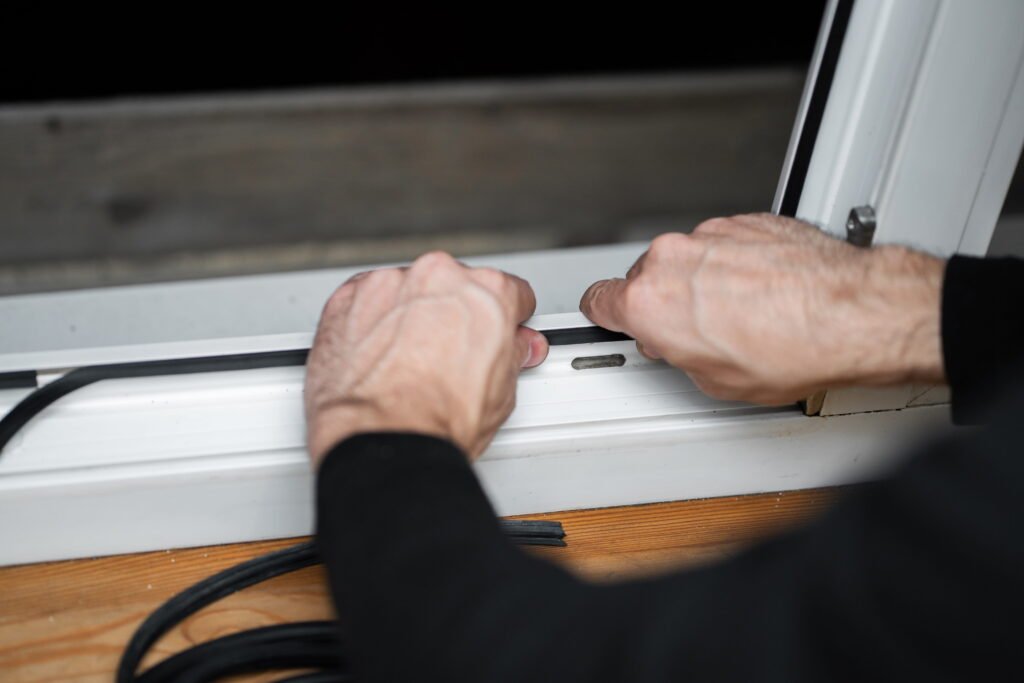
If the damage or failure involves the rubber gaskets or weatherstripping around the frame, then replacing them may be possible.
You can scrape away cracked caulk using a utility knife, clean the seam with soap and water, and apply a fresh bead of silicone caulking.
Replacing old gaskets is similarly straightforward.
Starting at the corners, pull the failing gasket free from the frame’s groove. Clean the channel thoroughly and install a new strip around the perimeter. Ensure you purchase a gasket of the same profile.
However, if the inner seal is damaged and moisture has entered the airtight space, the problem becomes trickier.
Once the insulation gas inside the panes escapes, applying new sealant won’t restore the original thermal performance. For this, you’ll need professional defogging services or replace the IGU altogether.
Defogging Failed Windows Caused by Broken Seal
Defogging is a common professional remedy for foggy windows caused by damaged seals. It’s a popular option as it doesn’t require removing or replacing the IGU.
Technicians defog windows by drilling a small hole in the glass to vacuum out the water inside. They then clean the inside and apply anti-fog solutions. Afterwards, the IGU is resealed and the hole covered.
In some cases, installing micro vents is necessary.
Although a cheaper alternative to buying new windows, it’s worth noting that a defogged double-glazed unit will not perform as well as it did originally.
There are DIY defogging kits you can get, but most experts don’t recommend using them.
Replacing Double-Glazed IGU
Working with a professional can help you determine whether the problem lies with the external or internal seal of the IGU unit.
Heavy condensation, frequent fogging, and water pooling inside the panes often signal a larger seal issue that may require replacing the double-glazed IGU unit. This is a more permanent fix than simply taking out the fog.
This can be done while keeping your existing, functioning window frame, which means it’s cheaper than a full window replacement.
Technicians will measure your window and order a replacement IGU. They then remove the gaskets and beads around the panes and extract the damaged IGU from the frame using heavy-duty suction tools.
The frame track is cleaned of debris and old glazing packers.
New packers are placed to support and align the glass. The technician carefully inserts the new IGU into the frame while ensuring it’s level and centred.
Once done, the beads are refitted, and new rubber gaskets are installed to seal and secure the new insulated glass.
Checking Your Window Warranty
Before you call a professional for defogging or IGU replacement, find out if your window is still under warranty. Many window warranties are good for 10 years and often cover frames, seals, hardware, and installations.
Premature seal deterioration can indicate a product defect, and manufacturers may pay for repairs and replacements.
Signs of a Failing Window Seal
Identifying a failing window seal early on can help you resolve the problem earlier and prevent costly energy bills.
Here are the common signs of a failing double-glazing window seal:
Condensation Between the Panes
This is perhaps one of the clearest signs of seal failure. As double and triple-glazed windows are designed to be airtight, fogging and condensation indicate that humid air has breached the barrier.
As moisture accumulates inside the IGU, your window can appear permanently foggy or misty. It’s particularly noticeable as temperature changes and can worsen over time.
Besides poor visibility, condensation often means the gas insulation inside the panes has escaped, and the window isn’t performing as intended.
Draughts Near or Around the Window
Draughts are another symptom of faulty window seals. If you can feel cold air while standing near or around a specific window, it may be time to inspect it for signs of wear, damage, or deterioration.
Worn gaskets and weatherstripping are common culprits for draughts, so you may not need to worry about replacing the insulated glass unit.
Other possible causes of draughts include:
- Damaged or loose hinges
- Faulty locks
- Deteriorated caulking
A misalignment in the frame during installation can also result in draughts. Older wooden frames or low-quality uPVC materials can warp due to extreme temperature fluctuations, creating gaps where air can infiltrate.
Increased Energy Bills
A sudden or gradual uptick in your energy consumption and bills may be a sign of a serious problem in your windows’ thermal performance.
Damaged seals compromised insulation, allowing heat to escape during winter and hot air to penetrate in summer. This means your heating and cooling systems need to work harder to maintain comfortable indoor temperatures.
Multiple reasons could lead to expensive energy bills, but underperforming windows can be a significant contributor.
Visible Wear, Staining, and Discolourations
Check for obvious signs of wear and damage on the window’s rubber seals. Watch out for cracking, shrinking, hardening, and gasket gaps.
Discolourations and staining in the spacer bar between the panes occur when water invades the IGU. This goes for any unusual marks in the glazing cavity.
Catching these warning signs and having them repaired early is the safest approach, even if there are no major thermal issues yet.
Poor Soundproofing
Double-glazing windows can reduce noise by 20 to 35 dB (decibels), cutting outdoor sounds almost by half. For many, this noise-cancelling feature helps create a quieter and more comfortable living environment.
Sound can travel through gaps in window frames. Additionally, losing the inert gas inside the IGU can further decrease its soundproofing.
If you find your home has become noisier indoors, you could be looking at a sealing issue.
Practical Tips to Extend Your Window Seal’s Lifespan
While seals naturally break with time, simple maintenance routines can make a world of difference in maximising their lifespan.
Clean your window frames and drainages regularly to prevent dirt, debris, and moisture from building up. Look for signs of damage in gaskets and glazing seals, and replace any damaged components.
Schedule maintenance and inspection for older windows more frequently.
Try to avoid using strong chemicals, such as ammonia, solvents, and bleach, when cleaning windows, as they could contribute to seal degradation.
Improving indoor ventilation is a great way to manage humidity and moisture levels, especially around kitchens and bathrooms. Interior IGU condensation is less likely to occur in a properly ventilated space.
How to Know If You Need New Windows?
Some seal damage can be resolved by replacing the gasket, weatherstripping, and IGU. However, getting a new window may be the better option in situations where:
- The frames are severely warped or swollen from moisture
- The windows are over 20 years old
- You experience draughts despite frequent seal repairs
- You can’t open or close the windows properly
In the UK, new windows can increase a property’s value up to 10%. If you’re planning to sell, upgrading the windows can be a smart investment.
MLR Maintenance For Windows and Doors
Working with a professional glazier is the best bet when dealing with compromised window seals and frames.
MLR Maintenance is a trusted provider of window and door services in Glasgow and the wider area. We offer replacements for blown double-glazed units and install high-quality uPVC and aluminium windows matching your home’s aesthetic.
Talk to one of our experts and get a free, no-obligation quote today!